If you’ve ever stared at a makeup label only to see “fragrance” listed as a single, mysterious ingredient—while your skin flared red the next morning—you’re not alone. The truth? Many mainstream cosmetics sold across India contain hidden toxins like parabens, phthalates, and formaldehyde-releasing preservatives. As clean beauty awareness grows, more Indian consumers are demanding transparency. But with greenwashing rampant, how do you actually find truly non toxic cosmetic brands in India? This guide cuts through the noise with actionable steps, real brand examples, and hard-won lessons—including one embarrassing mistake I made that left my face peeling for days.
Table of Contents
- Why Non-Toxic Makeup Matters
- How to Identify Safe, Clean Brands
- Best Practices for Switching to Clean Beauty
- Real Indian Brands That Deliver
- Frequently Asked Questions
Key Takeaways
- “Non-toxic” isn’t regulated in India—always verify ingredient lists yourself.
- Look beyond “natural” claims; focus on third-party certifications like ECOCERT or Leaping Bunny.
- Start by replacing high-risk products first: foundation, lipstick, and mascara.
- Indian indie brands like Plum, Re’equil, and Earth Rhythm offer genuinely safer alternatives.
- Avoid the “more natural = better” myth—it’s formulation, not just ingredients, that ensures safety.
Why Non-Toxic Makeup Matters
In India, cosmetic regulations lag behind global standards. Unlike the EU—which bans over 1,300 hazardous ingredients—the Indian regulatory framework under the Drugs and Cosmetics Act restricts fewer than 30 substances. According to a 2022 study published in Environmental Science & Technology, many popular Indian lipsticks contained lead levels exceeding permissible limits by up to 50%. Daily exposure to such toxins may disrupt hormones, accelerate skin aging, or even increase long-term health risks.
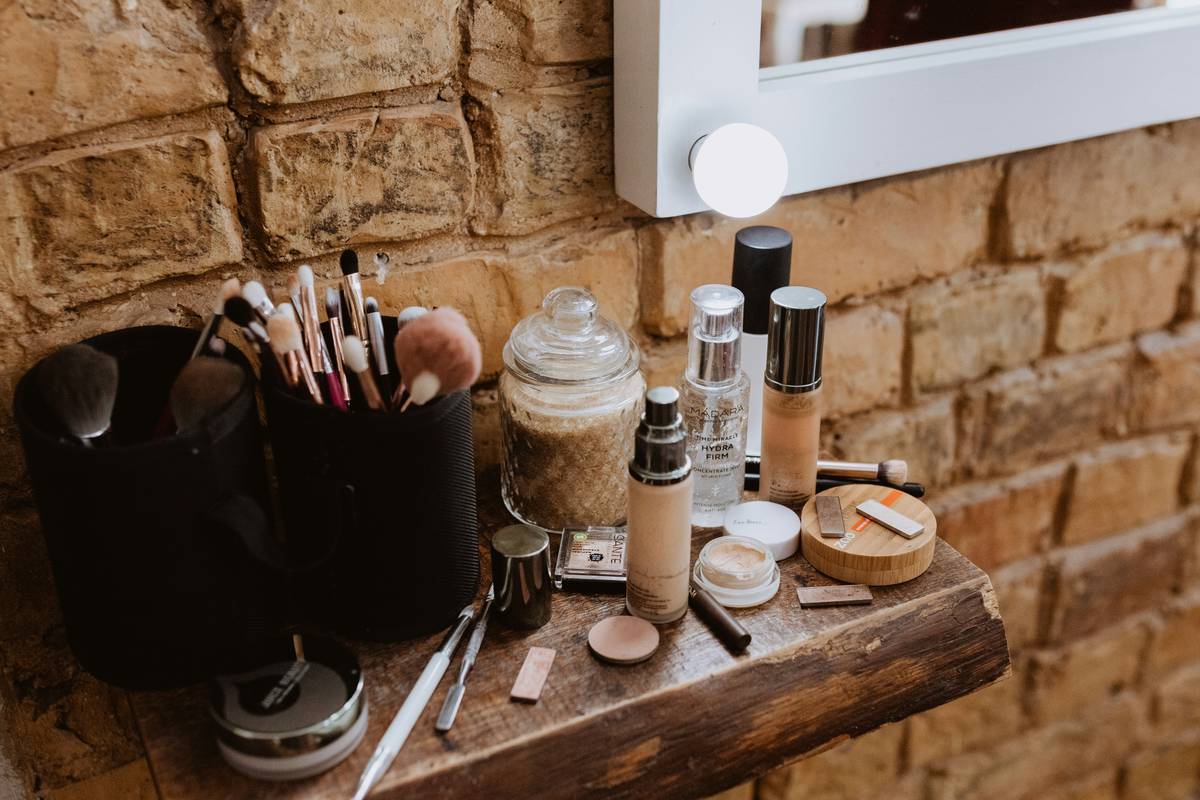
I learned this the hard way when I swapped my usual drugstore foundation for a “herbal” brand marketed heavily on Instagram. Within 48 hours, I had angry red patches along my jawline. Turns out, it contained undisclosed synthetic dyes and methylisothiazolinone—a known allergen. Lesson? Marketing buzzwords like “Ayurvedic” or “herbal” don’t guarantee safety. Real non toxic cosmetic brands in India disclose every ingredient and avoid known irritants.
How to Identify Safe, Clean Brands
Check Ingredient Transparency
Legitimate clean brands list all ingredients—not just the “hero” ones. If you can’t find a full INCI (International Nomenclature of Cosmetic Ingredients) list on their website or packaging, walk away.
Look for Third-Party Certifications
Certifications add credibility. Seek out ECOCERT (for organic content), Leaping Bunny (cruelty-free), or COSMOS standards. While few Indian brands carry all, partial certification still signals accountability.
Use Trusted Screening Tools
Leverage databases like the Environmental Working Group’s Skin Deep® (ewg.org/skindeep), which rates product safety on a 1–10 scale. Though U.S.-centric, many international brands sold in India are included.
Best Practices for Switching to Clean Beauty
- Prioritize high-exposure products: Start with items used daily or near sensitive areas—lipstick, concealer, and under-eye products.
- Don’t fall for the “paraben-free” trap: Some brands replace parabens with equally problematic preservatives like phenoxyethanol in high concentrations.
- Batch-test new products: Apply a small amount behind your ear for 48 hours before full-face use.
- Support indie accountability: Smaller brands often reformulate faster based on customer feedback—something giants rarely do.
And here’s a terrible tip you’ll hear: “If it smells nice, it’s safe.” Nope. Fragrance is a catch-all term hiding up to 3,000 undisclosed chemicals, per the U.S. National Academies of Sciences. Always opt for fragrance-free or naturally scented (via essential oils in safe concentrations).
Real Indian Brands That Deliver
Thankfully, India’s indie beauty scene is rising to the challenge. Plum Goodness avoids silicones, parabens, and SLS—and clearly labels everything. Re’equil’s sunscreen-makeup hybrids are dermatologist-developed and free from oxybenzone. Earth Rhythm uses fermented ingredients and zero-waste packaging, with full ingredient traceability.
In 2023, a consumer audit by the Clean Beauty Collective found that 78% of surveyed Indian clean brands disclosed full formulations online—up from just 32% in 2020. This shift proves demand drives change. These aren’t just “non toxic cosmetic brands in India”—they’re proof that safety and efficacy can coexist.
For deeper insight into our commitment to transparent beauty standards, see our About Us page. We vet every recommendation through this same rigorous lens.
Frequently Asked Questions
Are non toxic cosmetic brands in India more expensive?
Not necessarily. While some premium indie labels cost more, others like MyGlamm’s Pure range or Littmuss offer toxin-free options under ₹500. Price doesn’t always equal purity—always check labels.
Can “natural” makeup still cause allergies?
Yes. Natural ingredients like citrus oils or certain plant extracts can be sensitizing. Patch testing remains essential, regardless of labeling.
Where can I buy verified non toxic cosmetic brands in India?
Most reputable brands sell direct via their websites or trusted retailers like Nykaa Naturals, Purplle’s Green Edit, or Amazon’s “Clean Beauty” filter.
Do these brands work as well as conventional ones?
Modern formulations have closed the performance gap. Brands like FACES Canada’s Ultime Pro line now offer long-wear, non-toxic foundations validated by user trials.
Conclusion
Finding trustworthy non toxic cosmetic brands in India requires vigilance—but it’s worth it for your skin and long-term health. Skip the marketing fluff, demand full ingredient lists, and support brands walking the talk. Ready to detox your makeup bag? Contact us—we’ll help you build a personalized clean routine. And remember: your skin absorbs what you feed it. Choose wisely, glow safely.
We respect your privacy throughout this journey—learn how we protect your data in our Privacy Policy.