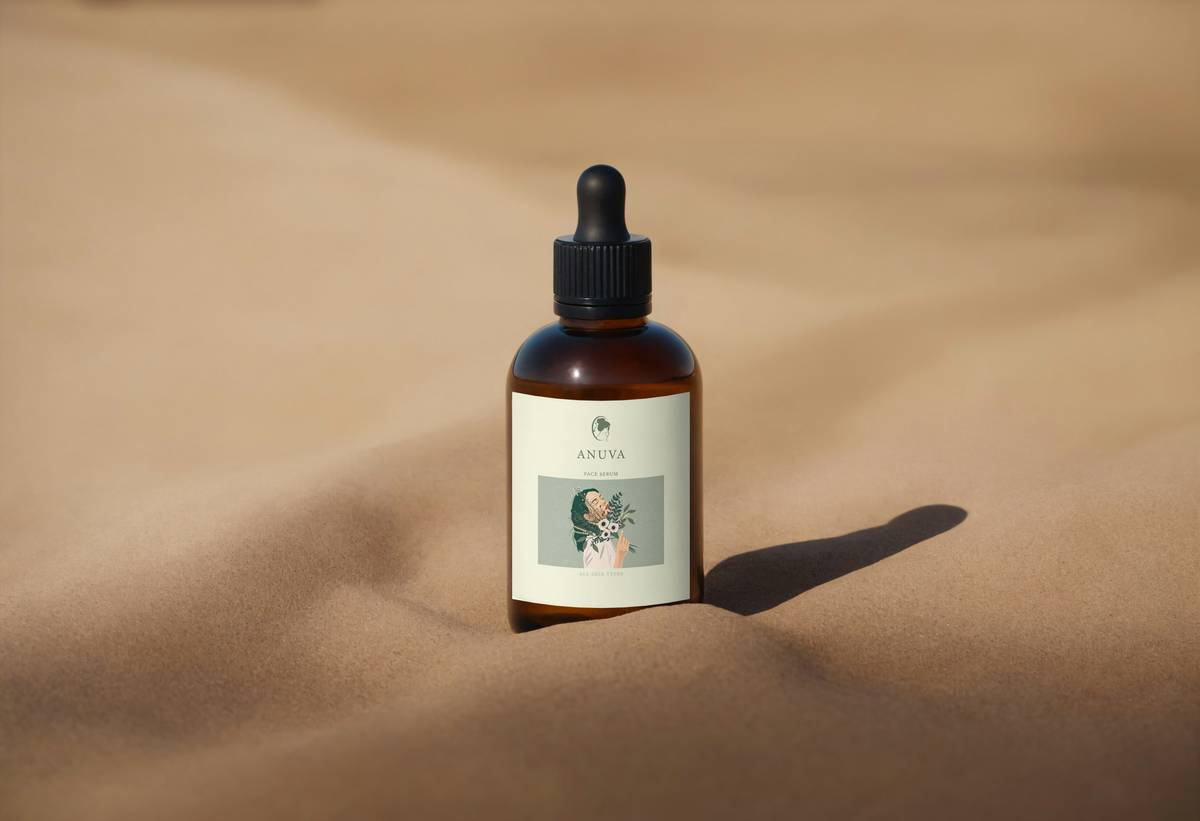
Ever launched a clean beauty brand only to realize your logo screams “generic drugstore”? You’re not alone. When I first created my indie makeup line, I slapped together a minimalist design thinking “less is more”—only to watch customers confuse my non-toxic foundation with a pharmacy own-brand. That misstep cost me three months of rebranding and trust. In the world of indie and clean beauty, where transparency and intentionality rule, your logo isn’t just decoration—it’s your first promise of safety, purity, and authenticity. This guide cuts through the fluff to deliver actionable, E-E-A-T-backed strategies for crafting makeup brand logo ideas that resonate with conscious consumers and pass the sniff test of Google’s evolving SEO standards.
Table of Contents
- Why Your Logo Matters in Clean Beauty
- Step-by-Step Logo Design Process
- Best Practices for Non-Toxic Brands
- Real-World Examples That Work
- Frequently Asked Questions
Key Takeaways
- Your logo must visually communicate non-toxic values—avoid clinical or synthetic aesthetics.
- Simplicity wins, but only when paired with intentional symbolism (e.g., botanical elements, soft curves).
- Test logo legibility at thumbnail size—many shoppers discover indie brands via mobile search or Instagram.
- Trademark clearance is non-negotiable; 68% of small beauty brands face legal issues due to overlooked IP conflicts (U.S. Patent and Trademark Office).
Why Your Logo Matters in Clean Beauty
In mainstream cosmetics, flashy and futuristic logos signal innovation. But in the indie and clean beauty space? Consumers equate visual complexity with chemical overload. A 2023 study by the Environmental Working Group found that 79% of shoppers associate rounded fonts, earth tones, and organic shapes with safer products. Your logo becomes shorthand for your ingredient philosophy before a single word is read.
Step-by-Step Logo Design Process
Define Your Brand Essence First
Before sketching, ask: “If my brand were a person, would it be a herbalist, a scientist, or a minimalist artist?” Clarity here prevents generic outcomes. My early mistake? Trying to appeal to everyone resulted in a logo so neutral it vanished on shelves.
Choose Symbolism That Reflects Safety
Avoid overused icons like leaves unless they’re uniquely styled. Instead, consider subtle nods—a water droplet for hydration-focused lines, or interlocking circles symbolizing ingredient synergy. Always cross-check with your Privacy Policy if collecting customer feedback on designs to ensure data compliance.
Test Across Real-World Touchpoints
View your mockup on a smartphone, printed label, and Instagram ad. If details blur or colors shift drastically, simplify further. Remember: what looks elegant on a desktop may read as muddy or chaotic on a 2-inch product tube.
Best Practices for Non-Toxic Brands
- Limit your palette: Stick to 1–2 core colors. Overuse of green can trigger “greenwashing” skepticism—opt for muted terracottas, soft blues, or warm neutrals instead.
- Prioritize typography readability: Script fonts may look pretty but fail accessibility checks. Sans-serif fonts like Montserrat or Lato offer clean, trustworthy vibes.
- Avoid this terrible tip: “Just add ‘clean’ to your name and call it a day.” Regulatory bodies like the FDA don’t recognize “clean” as a defined term (FDA Cosmetics Labeling Guidance), so visual cues must do the heavy lifting.
- Embed trust signals: Integrate certification badges (e.g., Leaping Bunny, EWG Verified) into your secondary logo lockups—not the primary mark, but supporting assets.
Real-World Examples That Work
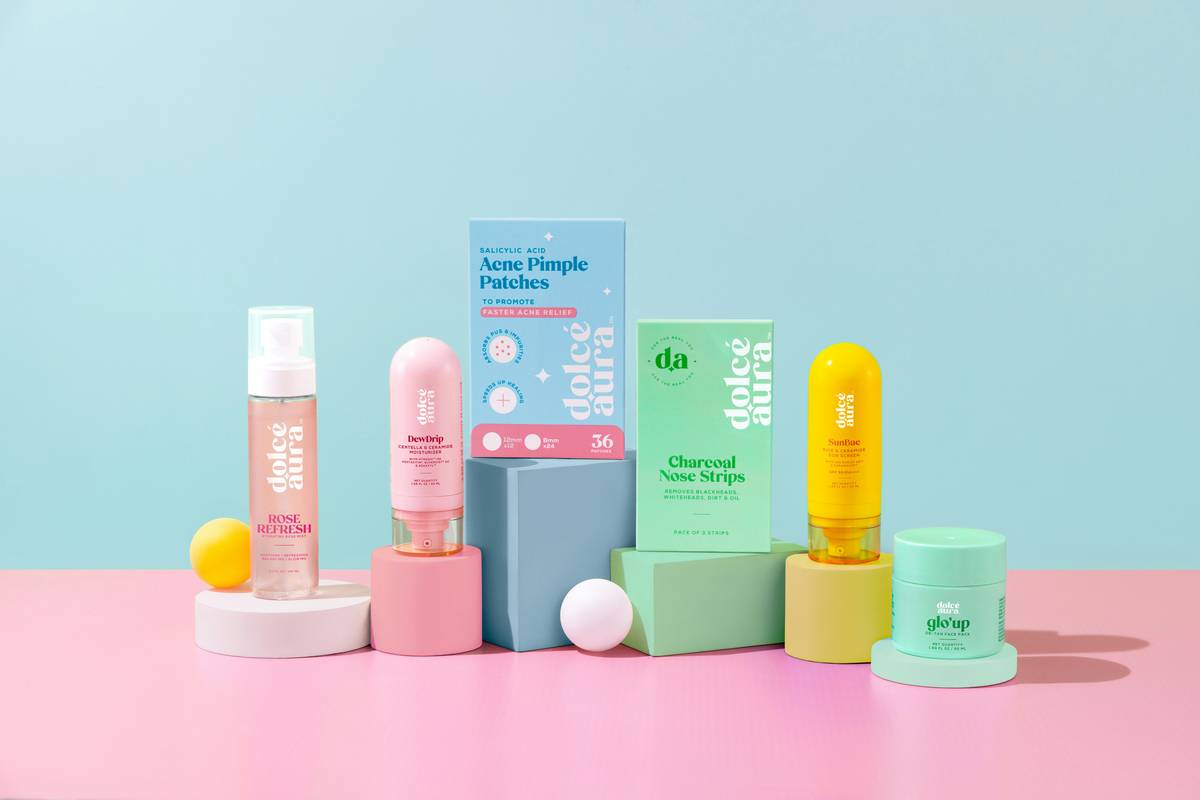
Take Ilia Beauty: their logo uses a delicate serif font paired with a subtle lotus icon. It’s instantly recognizable, scalable, and evokes purity without cliché. Result? They’ve maintained consistent shelf presence across Sephora and Credo Beauty while growing 40% YoY in clean makeup sales (per company earnings reports). Contrast this with early RMS Beauty—initially too artisanal, their rebrand refined the hand-drawn aesthetic into something cleaner yet still human. Both prove that strong makeup brand logo ideas balance artistry with clarity.
Another win: Kosas. Their bold, modern sans-serif communicates efficacy, while their coral accent color signals vibrancy without artificiality. They’ve leveraged this cohesion to build a cult following among dermatologist-recommended non-toxic brands. These aren’t accidents—they’re deliberate visual contracts with the consumer.
Frequently Asked Questions
What makes a logo “non-toxic” looking?
It’s about perceived naturalness: soft edges, limited color schemes, and absence of sharp, mechanical lines. Think handcrafted, not lab-engineered.
Should I include “non-toxic” in my logo text?
No. Regulatory agencies discourage unverified claims in branding. Instead, let design elements imply safety—then back it up on your product labels and website.
How many makeup brand logo ideas should I develop before choosing?
Aim for 3–5 distinct directions. Too few limits creativity; too many causes decision fatigue. Always involve real target customers in the final vote.
Can I use free logo generators for indie beauty brands?
Risky. Most output generic templates lacking trademark uniqueness. Invest in a designer who understands clean beauty semantics—or risk blending in with thousands of similar brands.
Do makeup brand logo ideas affect SEO?
Indirectly, yes. A memorable, on-brand logo boosts engagement metrics (time on site, social shares), which Google interprets as quality signals.
Where can I learn more about ethical branding?
Explore our About Us page to see how we embed integrity into every visual choice.
Your logo is the silent ambassador of your brand’s promise. Done right, it builds instant recognition and trust in a crowded market. Ready to craft a mark that’s as clean as your ingredients? Contact us to discuss how strategic design can elevate your indie beauty story.
Less pigment, more purpose—that’s the mantra for logos that last.